
How Much You Sleep May Be Rewriting Your Biological Age — Just Not the Way Headlines Suggest
A landmark UK Biobank analysis found the least biological aging among people sleeping 6.4 to 7.8 hours nightly. Here's what it actually shows, and what it doesn't.
Singularity Wellness Editorial · 2026-08-24 · 1 min read
How Much You Sleep May Be Rewriting Your Biological Age — Just Not the Way Headlines Suggest
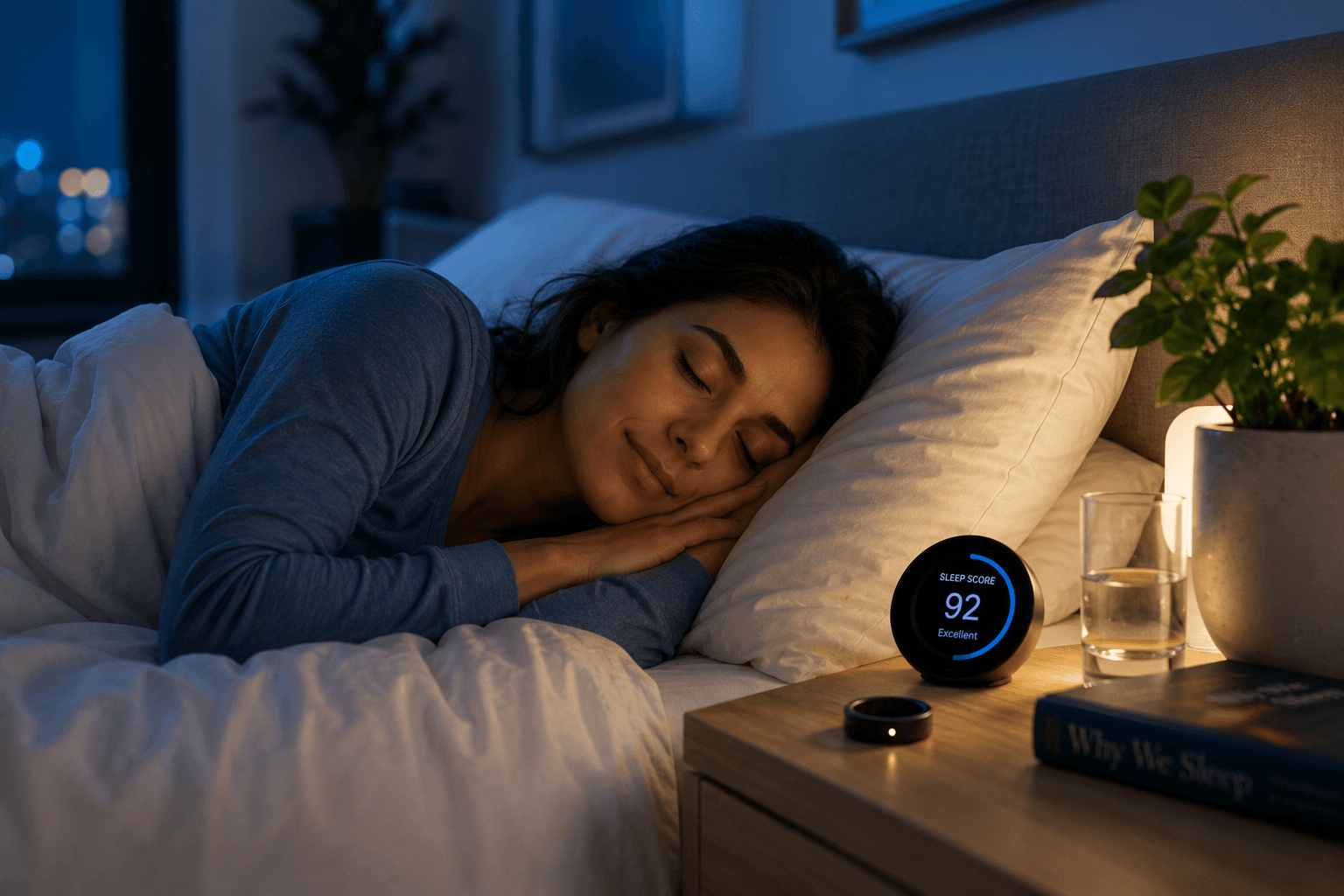
Researchers led by Junhao Wen at Columbia University Irving Medical Center analyzed self-reported sleep duration from roughly 500,000 UK Biobank participants against 23 separate biological aging clocks spanning 17 organ systems — including the brain, heart, lungs, liver, immune system and metabolism — publishing their results in Nature on August 24, 2026. Across nine of the 23 clocks they found a consistent U-shaped pattern: people sleeping between 6.4 and 7.8 hours a night showed the lowest biological-age gaps, while both shorter and longer sleep tracked with faster aging signals in organs tied to conditions like depression, arrhythmia, type 2 diabetes and COPD. It's one of the largest studies to connect ordinary sleep duration to organ-level aging rather than one blended score, which is why it matters even though the authors are explicit about what it doesn't show: this is an association, not proof that sleep duration itself causes organs to age faster or slower. Study lead Junhao Wen noted that short sleepers and long sleepers likely reach similar outcomes through different biological pathways and cautioned against treating both groups with the same fix, and the study can't rule out reverse causation — that poorer health could be shortening or lengthening sleep, rather than the other way around. No sleep-tracking device, including any covered on this site, has been shown to change these outcomes by helping someone hit a specific number.